
Care tag
- Nashville received 13.57 inches of rain on May 1-2, 2010, a two-day record, the National Weather Service says.
- EPA says to throw away materials that soak up a lot of water, such as carpets, after a flood.
- Wear at least an N-95 respirator, goggles and gloves for flood cleanup, EPA advises.
Middle Tennessee knows what a flood can do. In May 2010, back-to-back record rains turned creeks and rivers into torrents, and thousands of homes took on water. If your carpets and rugs have been flooded, the decisions you make in the first two days decide whether anything can be saved.
What happened in May 2010
The National Weather Service in Nashville calls the rains and flooding of May 1-3, 2010, a disaster that will be remembered for many years. Nashville International Airport recorded 13.57 inches of rain over May 1 and 2, a new two-day record that also beat the previous record for the entire month of May, 11.04 inches. May 2 alone brought 7.25 inches, the most for any calendar day in Nashville’s records, which go back to the early 1870s. The Cumberland River at Nashville crested at 52.55 feet on May 3.
In the metro area, the weather service reports that many creeks rose above levels not seen since 1979: Browns Creek at the State Fairgrounds crested 5 feet above its previous record, and Whites Creek in Bordeaux more than 6 feet above its record. The storm killed 18 people in Middle Tennessee.
The weather service adds that the heaviest rain fell in a swath across Davidson, Williamson, Dickson, Hickman, Benton, Perry and Humphreys counties, averaging 14 to 15 inches, equivalent to about 420 billion gallons of water in two days. Even so, the Cumberland’s 2010 crest fell short of its record of 56.20 feet, set in 1927 before dams controlled the river. Fifteen observation sites recorded more rain than the maximum observed when Hurricane Katrina made landfall.
What a 100-year flood means
The weather service explains that a 100-year flood is an event with a 1 percent chance of occurring in any given year, and a 500-year flood has a 0.2 percent chance. The names describe odds, not schedules; a home can see two large floods in a short span.
Safety first
EPA’s flood cleanup fact sheet starts with protection. At a minimum, wear an N-95 respirator mask, goggles and protective gloves to protect yourself from mold and other contaminants. Even when flooding comes from rainwater, EPA notes, floodwater can mix with sewage, dirt or other substances and carry bacteria and chemicals into your home.
Get the water out
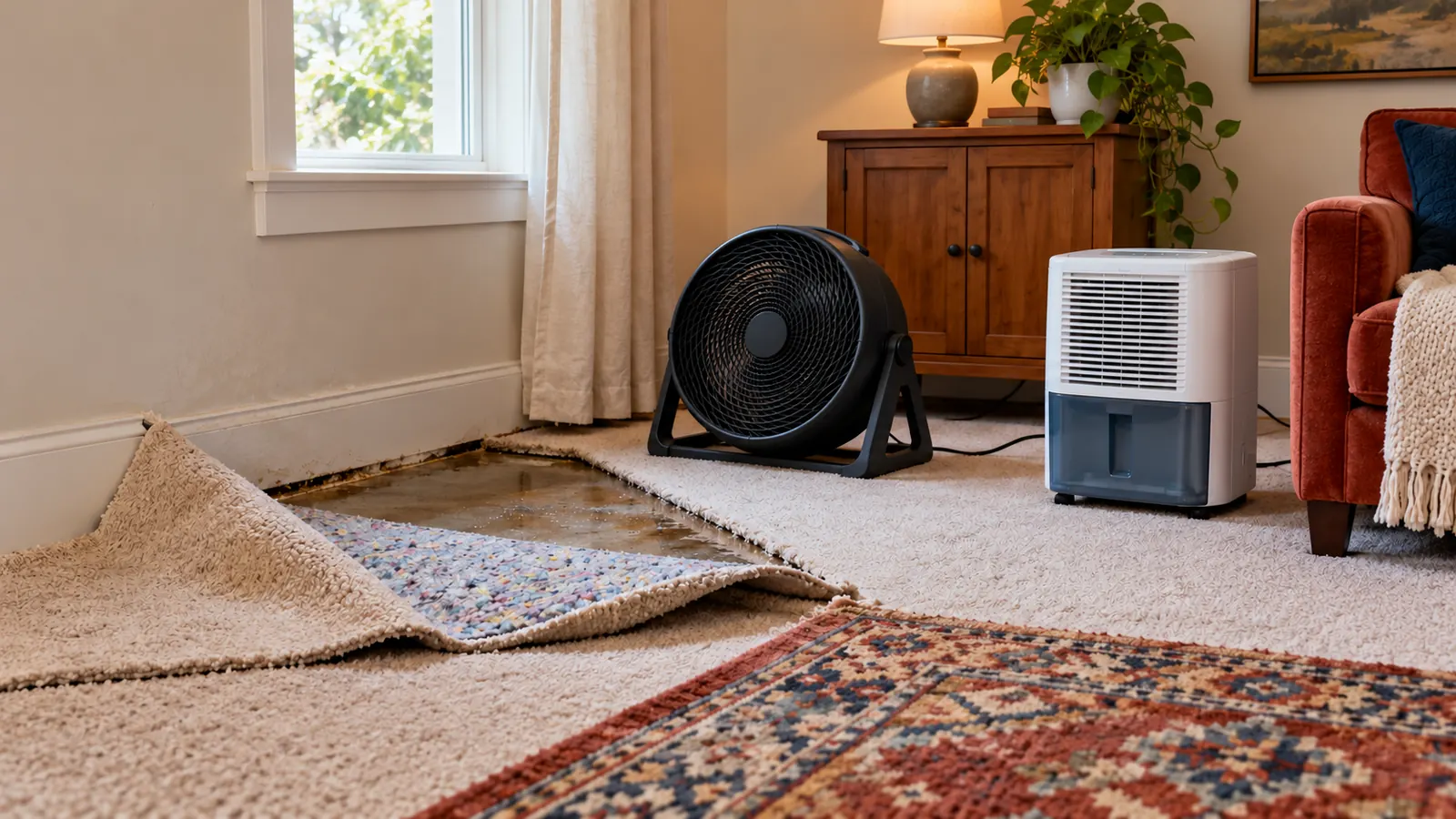
Microorganisms can multiply in standing water and get into the air, EPA explains, so remove all standing water as soon as possible, using a wet vacuum on floors, carpets and hard surfaces. Then open up and dry the house.
What to throw away
EPA’s guidance on sorting materials is direct. You can usually clean and dry materials that do not soak up water, such as metal, glass and hard plastic. You should throw away materials that soak up a lot of water, such as drywall, carpets and ceiling tiles. Most of the time, anything that got wet and cannot be thoroughly cleaned and dried within 24 to 48 hours should be thrown away.
| Item | Usually | Why |
|---|---|---|
| Wall-to-wall carpet soaked by floodwater | Discard | EPA lists carpet among materials that soak up a lot of water |
| Carpet pad | Discard | Holds water and contaminants beneath the carpet |
| Small washable rug | Possibly save | Only if it can be fully cleaned and dried within 24 to 48 hours |
| Valuable or antique rug | Ask a specialist quickly | EPA suggests specialists for items of value or sentiment |
Tip: Photograph every item before you throw it away, with the water line visible if possible. Insurance adjusters and contractors will ask for documentation.
Hidden hazards when you pull up carpet
EPA warns that before removing wet materials, especially construction materials such as wallboard and floor tiles, you should take care to avoid airborne asbestos and lead dust. If you know or suspect your home has lead-based paint, EPA’s fact sheet points to the National Lead Information Center at 1-800-424-LEAD; for asbestos, it points to EPA’s TSCA hotline at (202) 554-1404.
Cleaning what you keep
Clean salvageable items with water and detergent, remove all visible mold and dry them right away. If you choose to use a disinfectant, EPA says surfaces must be cleaned first. Do not mix cleaning products, and never mix bleach and ammonia, which can create toxic vapors.
Hiring help
After a big flood, out-of-town crews and door-to-door offers appear quickly. Tennessee officials warn against door-to-door deals, pressure to decide immediately, cash-only payment and signing over an insurance check, and state law prohibits requiring more than a one-third down payment on home improvement work. Use the checks in How to Choose a Rug or Carpet Cleaner in Nashville: Checks That Take Ten Minutes, and for smaller leaks see Water Damage and Mold in Carpet: The 24-to-48-Hour Rule and What to Do After a Leak.